
Samurai Travel Blog
Max Out Your Hokuriku Trip!
The Ultimate 2-Day Toyama & Kanazawa Itinerary via Early & Late Bullet Trains

Recently, I took a 2-day whirlwind trip to Tokyo, boarding the earliest Shinkansen from Toyama at 6:22 AM and returning on the final train at 11:12 PM. Maximizing every hour allowed me to explore Tokyo's iconic spots—from Shinjuku Gyoen and Meiji Shrine to Asakusa and Skytree—along with a day trip to Kawagoe and Chichibu in Saitama. The sense of accomplishment was incredible, which made me realize: Travelers coming to Toyama and Kanazawa can easily do the exact same thing!
By taking full advantage of the Hokuriku Shinkansen’s speed, you can experience the absolute best of both Toyama and Kanazawa without sacrificing a single highlight. Here is how to max out your 2-day Hokuriku adventure from Tokyo or Kansai.
Day 1: Toyama’s Deep Heritage & World Class Cuisine
06:15 AM (Tokyo Station) ➔ 08:23 AM (Toyama Station)
Board the earliest Kagayaki Shinkansen. Arriving in Toyama in just over two hours, drop your bags in a station locker, and start your day at 9:00 AM.
09:00 AM – 03:00 PM: World Heritage Gokayama & Inami
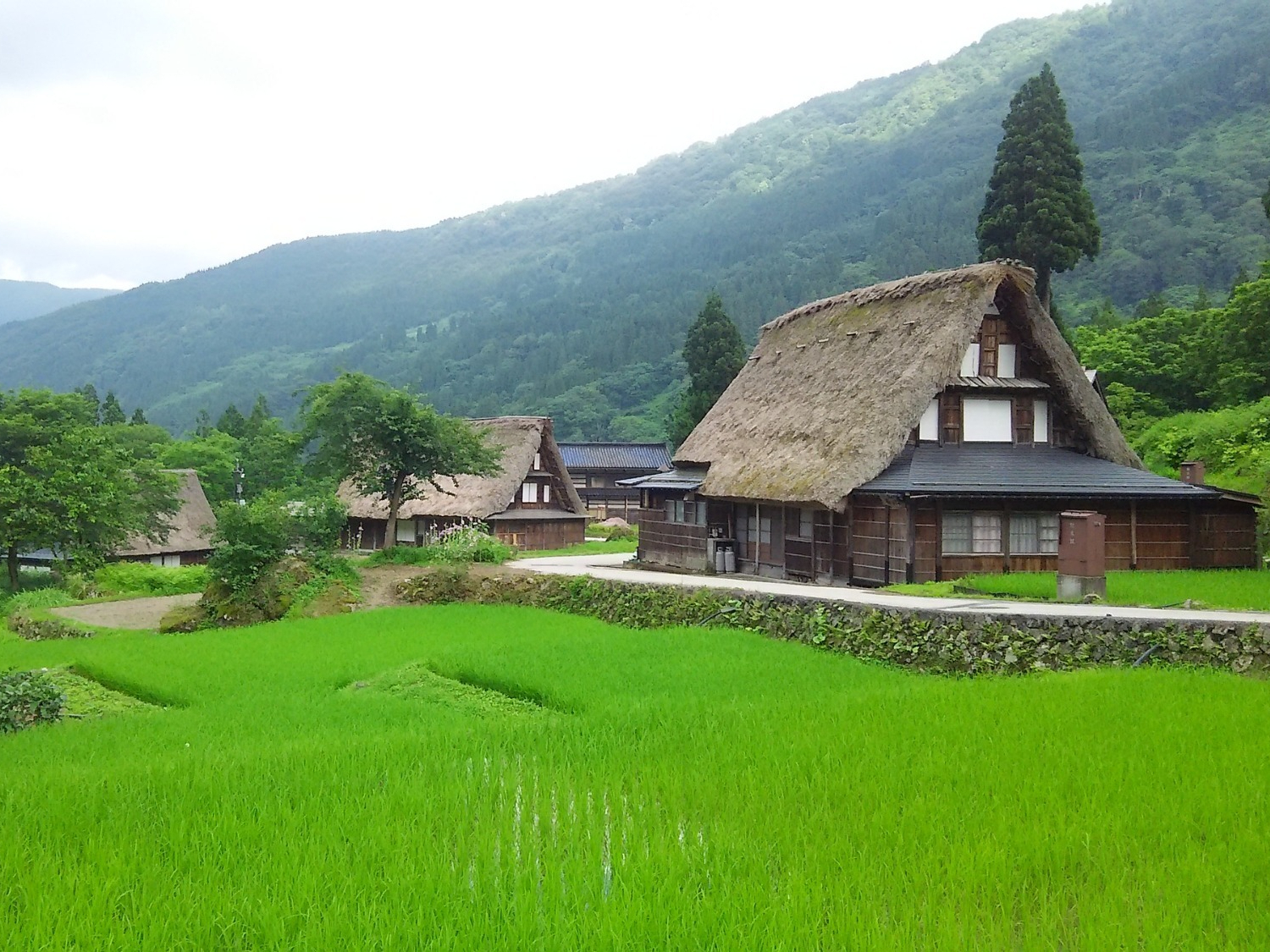
Take a private guided tour to Gokayama, famous for its historic Gassho-zukuri thatched houses, followed by Inami, a town celebrated for woodcarving craftsmanship. A guided tour ensures seamless transport and deep cultural context.
04:00 PM onwards: Check-in & Evening in Iwase
Check into your hotel in central Toyama, then head to Iwase—a historic port town filled with Edo-period merchant houses. Enjoy an exquisite dinner featuring fresh local seafood paired with regional sake.
Day 2: Art, History & Kanazawa Highlights
09:00 AM – 11:00 AM: Toyama Castle & Glass Art Museum
Spend your morning exploring central Toyama. Visit the historic Toyama Castle and the striking Toyama City Museum of Glass Art.
11:33 AM (Toyama Station) ➔ 11:55 AM (Kanazawa Station)
Hop back on the Shinkansen; the ride between Toyama and Kanazawa takes a mere 22 minutes!
12:00 PM – 01:00 PM: Omicho Market Lunch
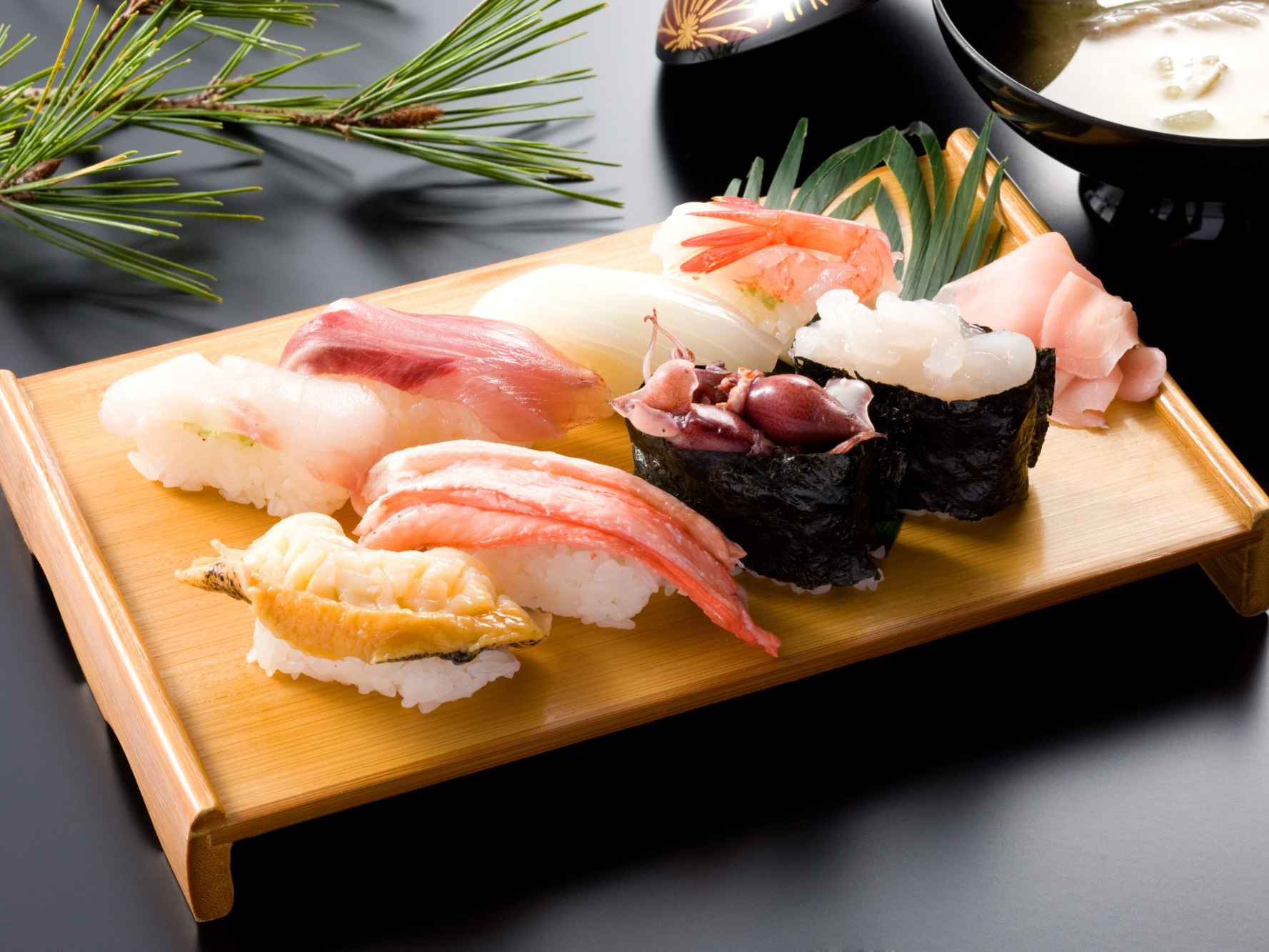
Arrive right on time for a fresh seafood bowl (Kaisen-don) or sushi lunch at Kanazawa’s bustling "kitchen," Omicho Market.
01:00 PM – 05:00 PM: 4-Hour Kanazawa Guided Tour
Maximize your afternoon with a structured city tour covering:
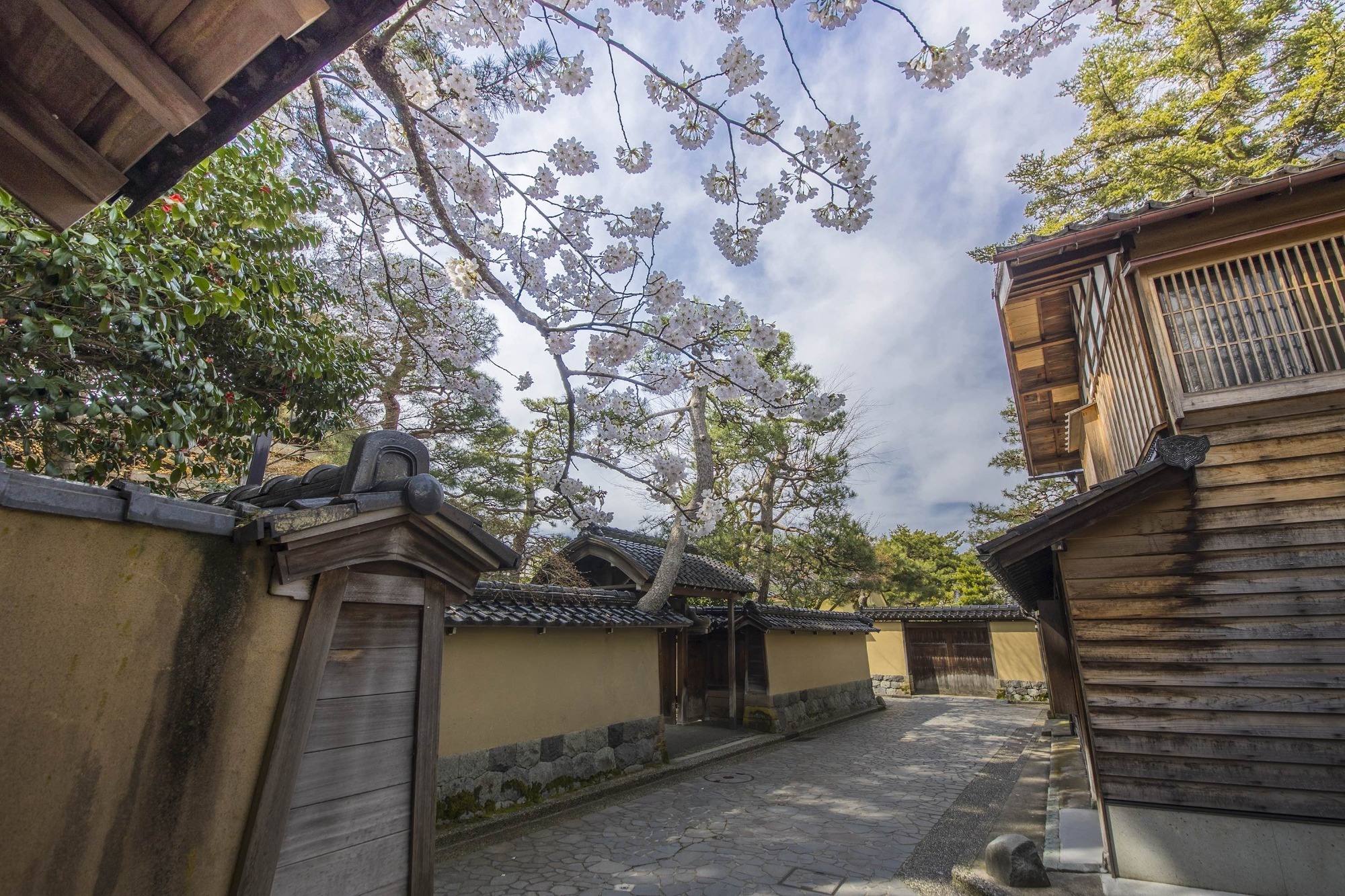
Nagamachi: The historic samurai district with mud walls.
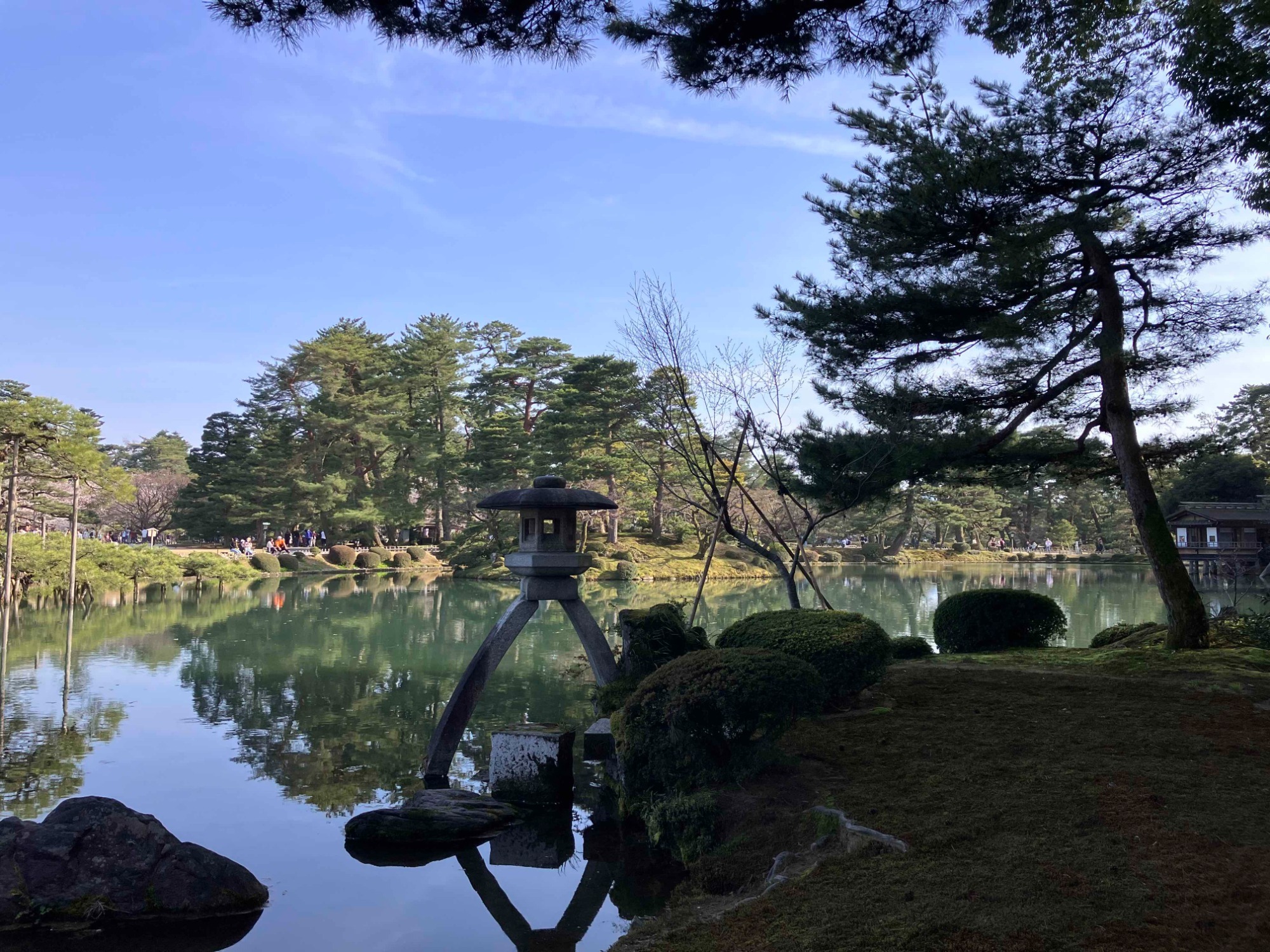
Kenroku-en Garden & Kanazawa Castle: One of Japan's top three landscape gardens.
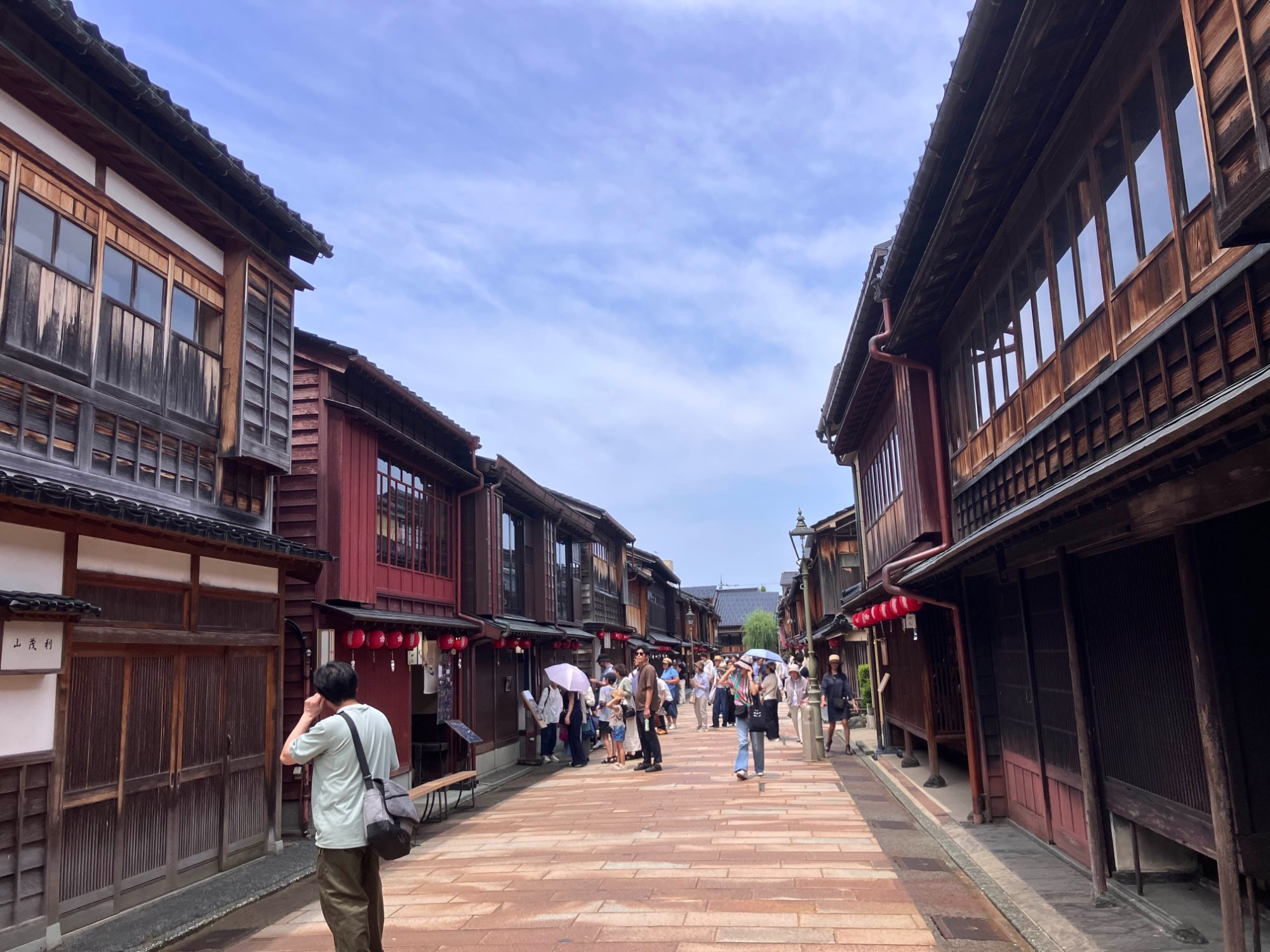
Higashi Chaya District: Traditional geisha entertainment area perfect for tea and crafts.
Heading Home: Smart Final Steps
For Tokyo-Bound Travelers:
Take a late-afternoon Shinkansen back to Toyama (20 mins) to pick up your luggage at the hotel.
Buy local specialties like Masu-no-Sushi (trout sushi) at Toyama Station.
Board the ~7:40 PM Shinkansen, enjoying your Masu-no-Sushi as a relaxing dinner onboard, arriving back at Tokyo Station around 10:00 PM.
For Kyoto/Osaka-Bound Travelers:
Store your luggage in a locker at Kanazawa Station upon arrival.
Enjoy Kanazawa until around 7:00 PM, then board your train to arrive in Kyoto/Osaka by 9:00 PM.
By leveraging early/late Shinkansen runs, private guided tours, and on-board dining, you can pack a week's worth of memories into one unforgettable weekend!
Beyond Gokayama: My Childhood Under a Thatched Roof

Growing up in a thatched-roof house, or kayabuki, isn't just something you see in history books—for me, it was real life until I was about five years old.
No, I didn't grow up in the famous UNESCO World Heritage villages of Shirakawa-go or Gokayama. The truth is, about 50 years ago, almost all the snow-heavy, mountainous regions of Toyama Prefecture were dotted with these traditional thatched homes. Just like in Gokayama, families raised silkworms for silk and made traditional Japanese paper (washi)—though we probably skipped the gunpowder production!
I still fondly remember waking up in the morning to the gentle kasa-kasa rustling of silkworms moving in the space above our ceiling. As a kid who loved bugs, I thought those little silkworms were absolutely adorable.
Eventually, our thatched house was torn down and replaced with a standard modern Japanese home. In a way, it had to happen. Maintaining a thatched roof requires an immense amount of time, effort, and money—something only possible with the tight-knit community cooperation (yui) found in larger villages like Shirakawa-go.
Even so, that classic Japanese landscape where thatched roofs blend seamlessly into nature is gone from my hometown forever. Today, whenever I visit Ainokura, Suganuma, or Shirakawa-go as a tour guide, a deep wave of nostalgia washes over me. I might be the only one standing there feeling like I’ve stepped right back into my childhood home.


How Toyama Saved a Broken Genius: The Rebirth of Shiko Munakata
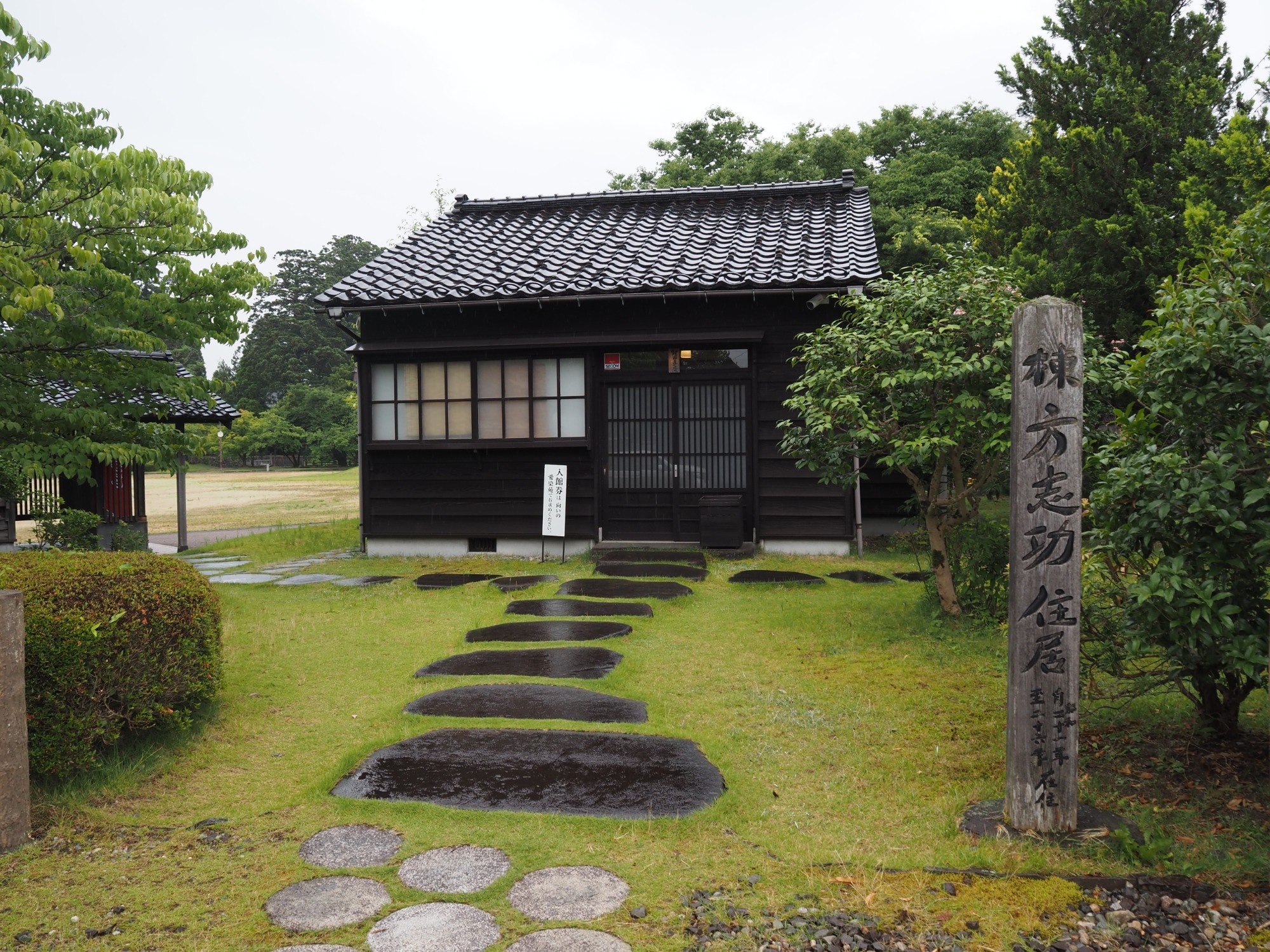
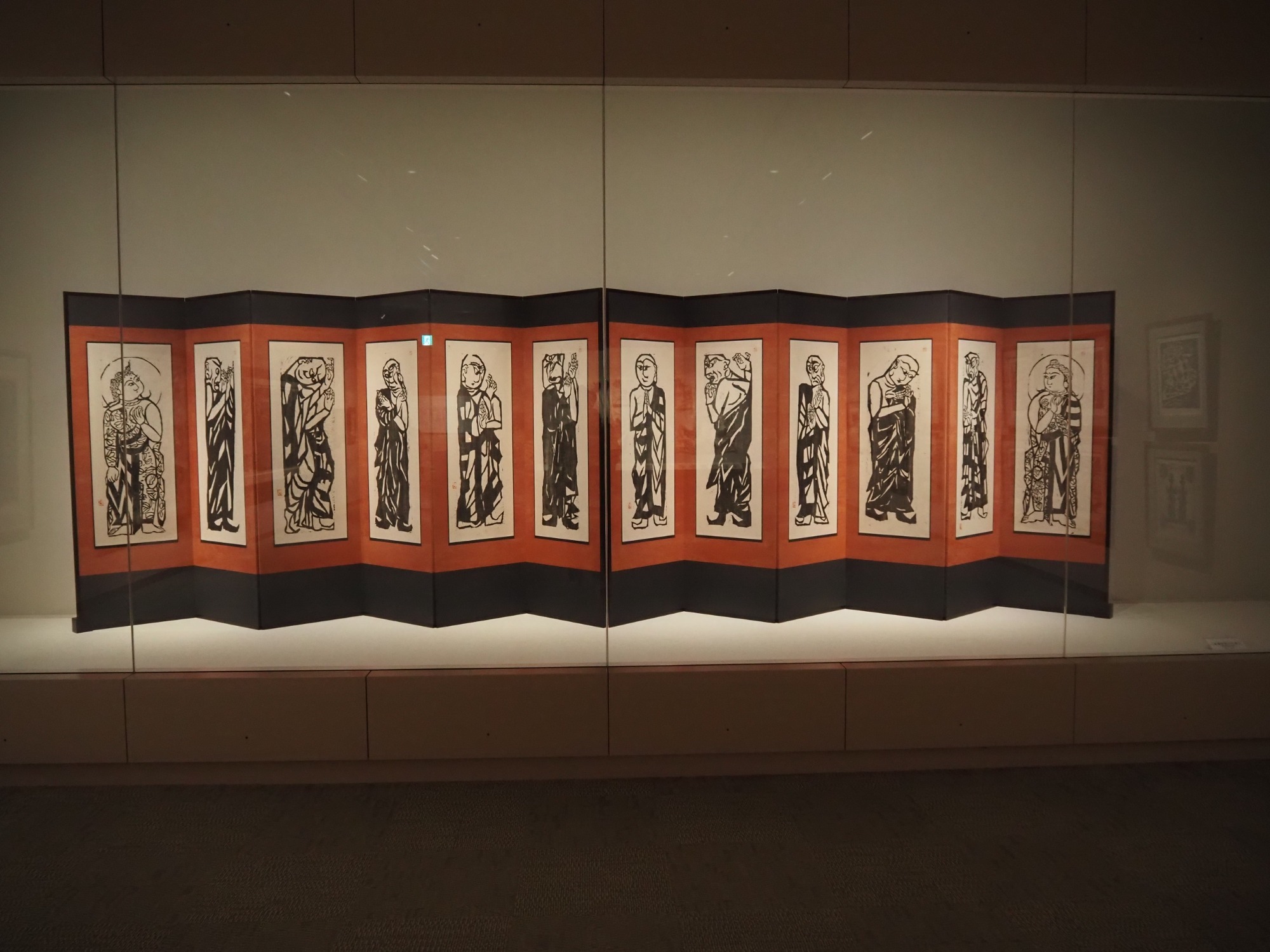
Lately, we have seen a massive surge in inquiries from international travelers looking for a deeper cultural experience in Inami, Johana, and Fukumitsu. Behind this interest lies the legacy of Shiko Munakata, the world-renowned woodblock print master known as the "Van Gogh of Japan."
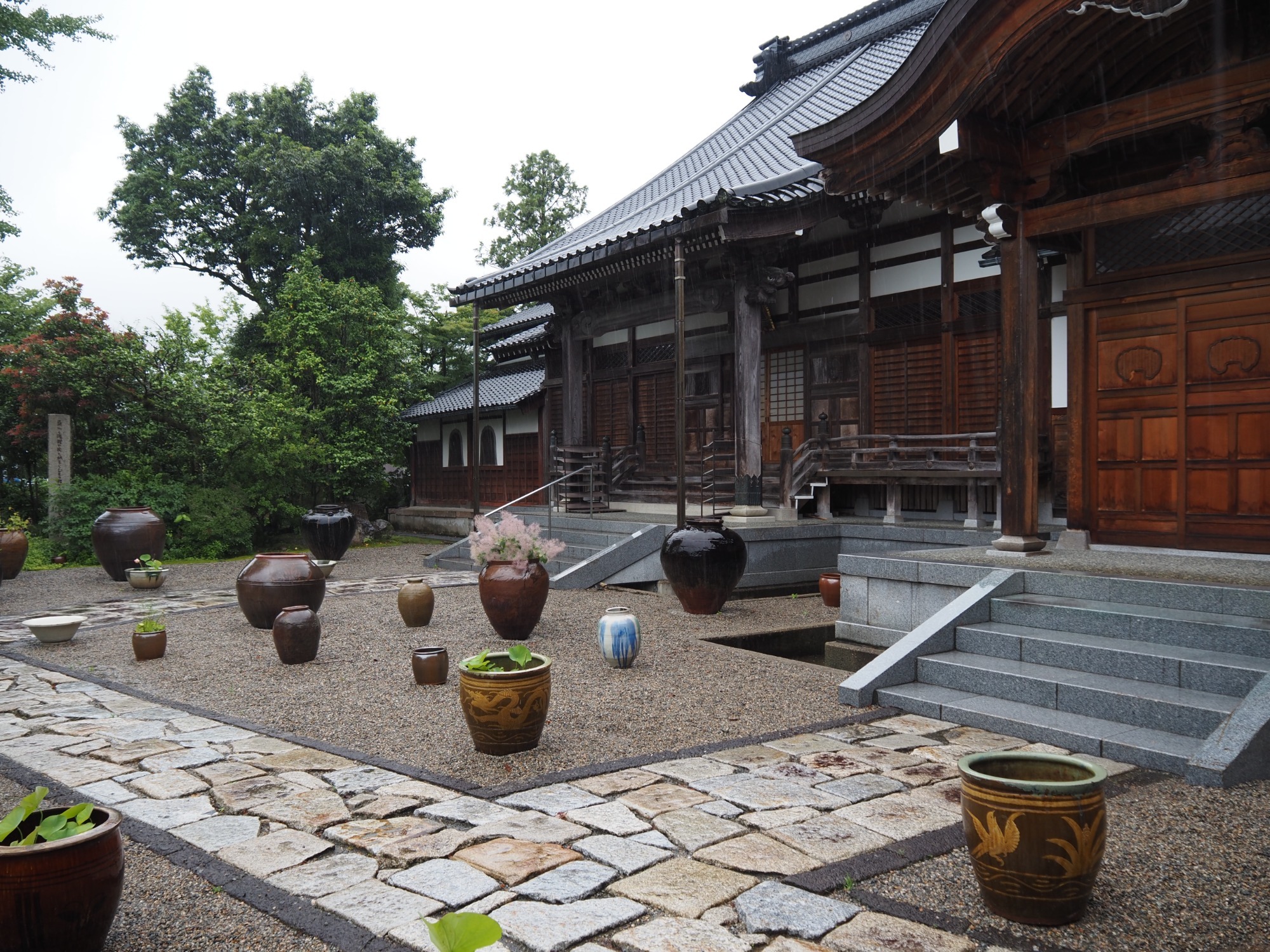
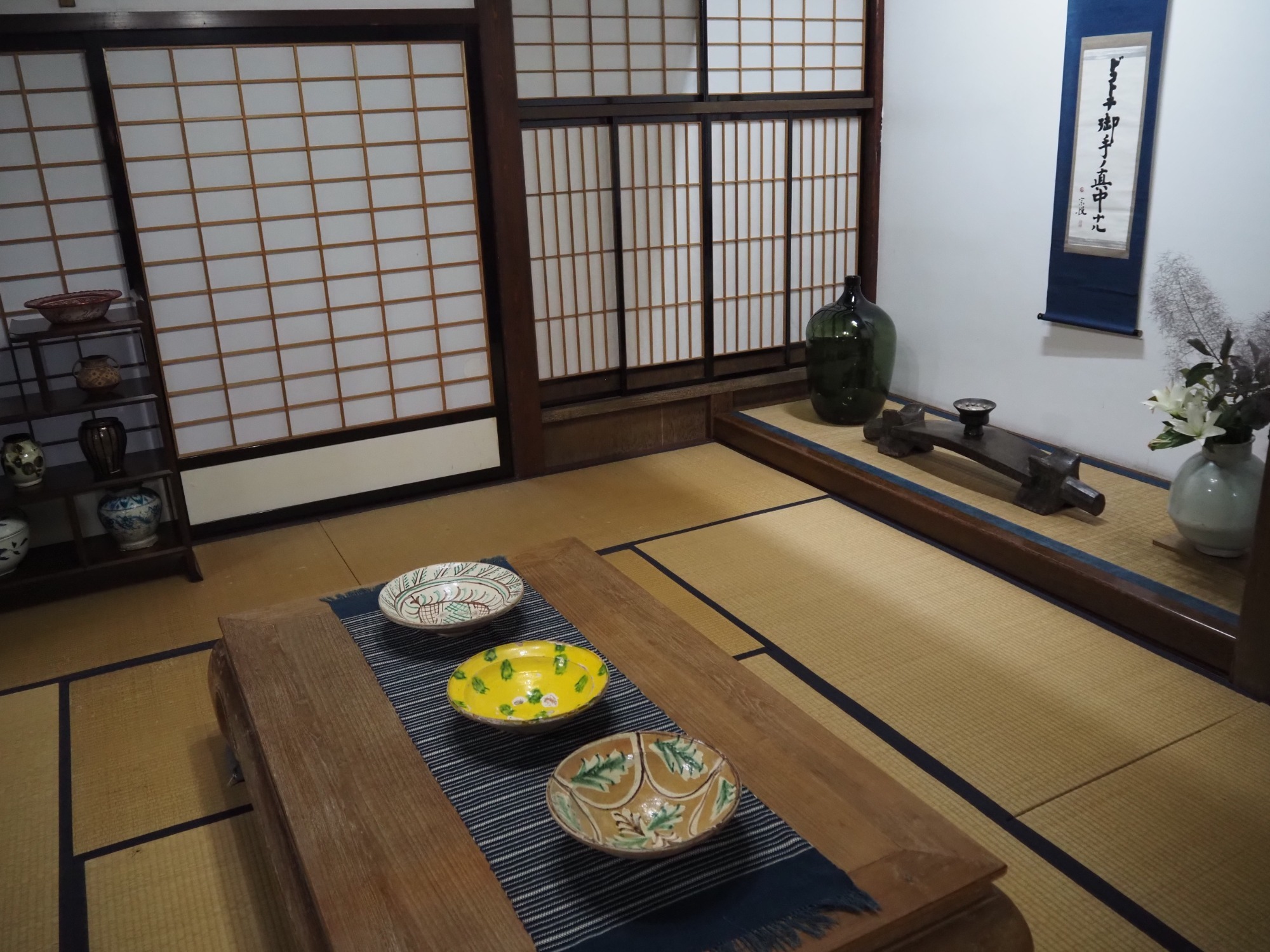
I recently conducted a field study in Nanto to design a brand-new storytelling tour, visiting the Fukumitsu Museum, his former residence (Riu-ga-sai), and Kotoku-ji Temple.
In 1945, having lost his Tokyo home and artwork to WWII air raids, a broken Munakata found refuge in Toyama. What saved him was "Dotoku"—the profound spiritual virtue embedded in the Toyama soil—alongside his resonance with the "Mingei" (Folk Crafts) movement.
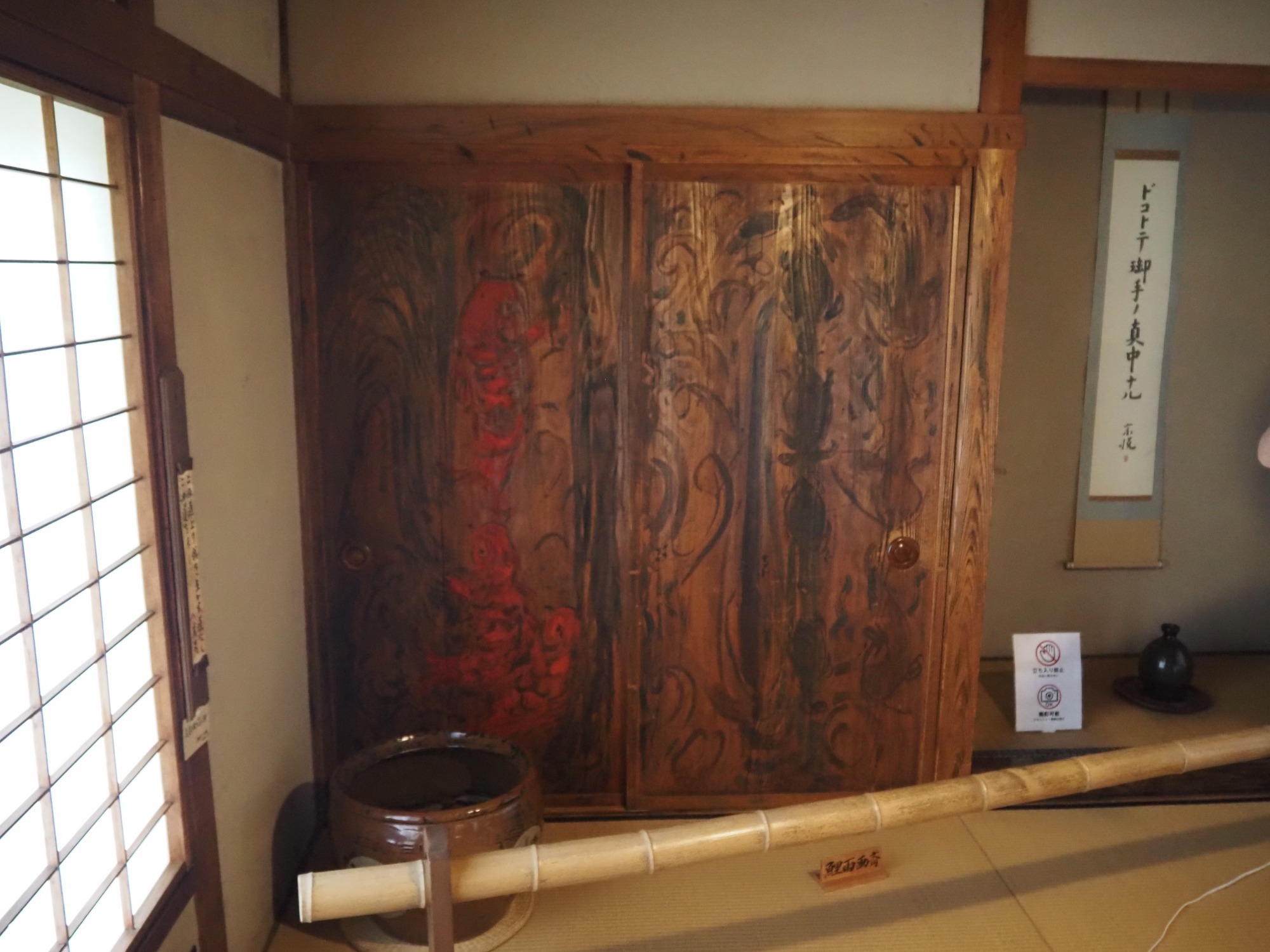
Standing in his former home, where his creative frenzy was so overwhelming that he even covered the bathroom walls and ceilings with paintings of goddesses, the essence of Mingei finally clicked for me:
"True beauty is the soul and devotion of the craftsman poured into everyday objects, woven into daily life and passed down through generations."
In Toyama, Munakata learned to shed his artistic ego and surrender to a higher force, transforming him into an international icon who went on to win grand prizes at the Venice Biennale.
For global audiences, his frantic carving speed feels like dynamic "Action Painting." He achieved the raw, emotional impulse that Western modernists strove for, but through a centuries-old Japanese medium.
We are crafting a high-value tour that goes beyond mere museums—connecting the spaces where his soul was reborn with the living workshops of contemporary artisans keeping this spirit alive.
Toyama's cultural depth is truly extraordinary. Stay tuned for the official tour launch!
Traversing History: A Day in the Snowy Peaks of Tateyama

I recently had the pleasure of guiding guests through the iconic Snow Canyon (Yuki-no-Otani). While the towering 16-meter snow walls are a modern marvel, the true essence of Tateyama lies in its profound history as a sacred realm.
The Sacred Peaks and "Mountain Patrols"
Standing at Murodo, one gazes upon Mt. Jodo—the "Pure Land." For centuries, Tateyama was a site of spiritual rebirth for pilgrims. Yet, during the Edo period, these peaks served a more pragmatic purpose. The Kaga Domain deployed "Yamamawari" (Mountain Patrols) to these ridges, utilizing the rugged terrain as a natural fortress to guard the provincial borders.
The Mystery of Mt. Tsurugi
To the north sits the formidable Mt. Tsurugi, long deemed unclimbable. When the first modern surveying team finally summited in 1907, they were shocked to find a bronze staff head and a sword from the Heian period. It is a humbling reminder that shugendo ascetics had conquered this "needle of rock" a thousand years ago, driven by faith alone.
Walking through the spring snow, my guests and I felt more than just the cold mountain air—we felt the lingering echoes of samurai, scouts, and ancient monks.
Tour Guide Note: The contrast between the serene white plains and the intense history of the Hokuriku region makes every trip to Murodo a journey through time.