Samurai Travelogue
Traversing History: A Day in the Snowy Peaks of Tateyama
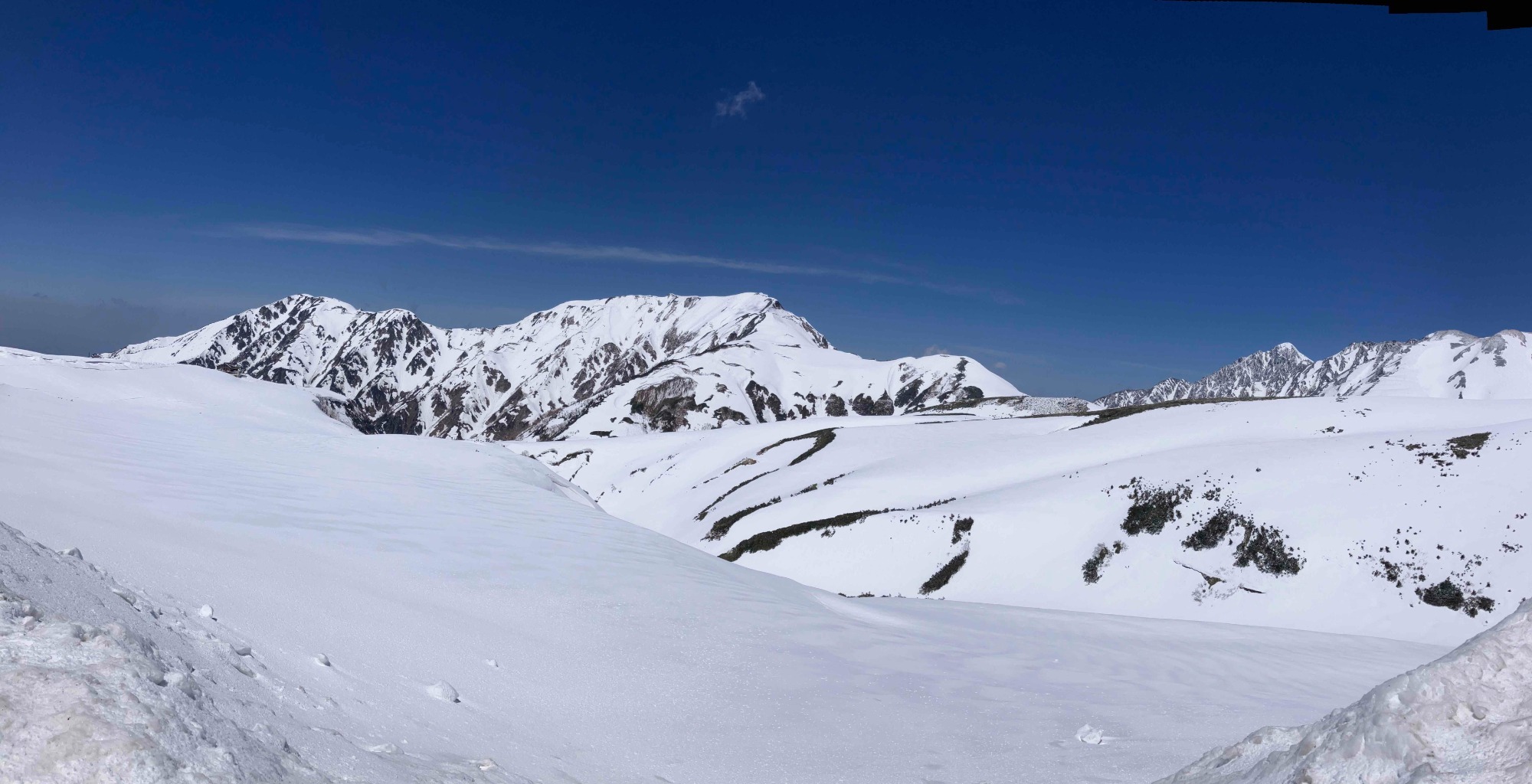
I recently had the pleasure of guiding guests through the iconic Snow Canyon (Yuki-no-Otani). While the towering 16-meter snow walls are a modern marvel, the true essence of Tateyama lies in its profound history as a sacred realm.
The Sacred Peaks and "Mountain Patrols"
Standing at Murodo, one gazes upon Mt. Jodo—the "Pure Land." For centuries, Tateyama was a site of spiritual rebirth for pilgrims. Yet, during the Edo period, these peaks served a more pragmatic purpose. The Kaga Domain deployed "Yamamawari" (Mountain Patrols) to these ridges, utilizing the rugged terrain as a natural fortress to guard the provincial borders.
The Mystery of Mt. Tsurugi
To the north sits the formidable Mt. Tsurugi, long deemed unclimbable. When the first modern surveying team finally summited in 1907, they were shocked to find a bronze staff head and a sword from the Heian period. It is a humbling reminder that shugendo ascetics had conquered this "needle of rock" a thousand years ago, driven by faith alone.
Walking through the spring snow, my guests and I felt more than just the cold mountain air—we felt the lingering echoes of samurai, scouts, and ancient monks.
Tour Guide Note: The contrast between the serene white plains and the intense history of the Hokuriku region makes every trip to Murodo a journey through time.
What Samurai Ate in the Kaga Domain During the Edo Period
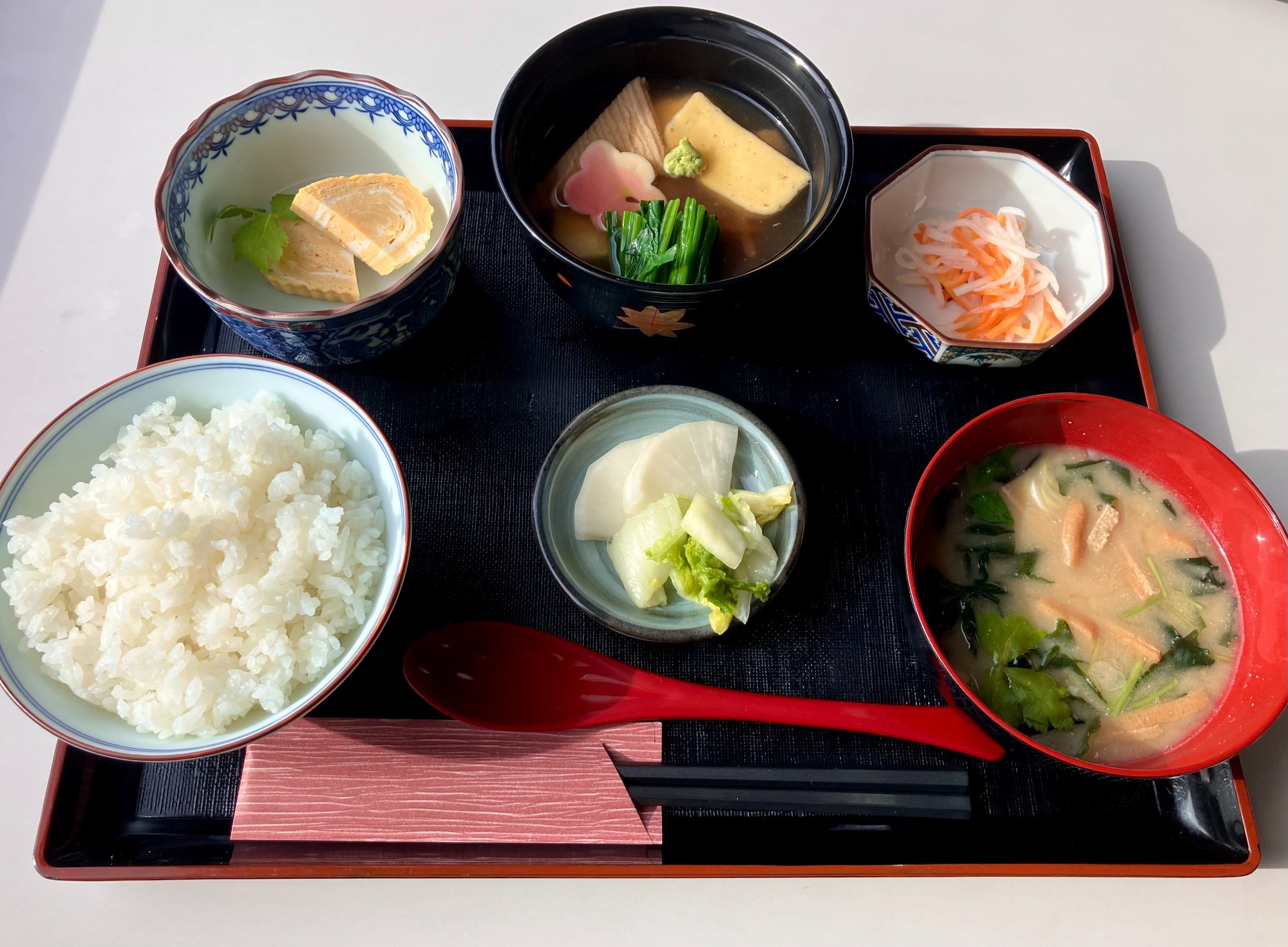
Have you ever wondered what fueled the powerful samurai of the Kaga Domain? During the Edo period, the diet of a samurai in Kanazawa was a fascinating blend of stoic discipline and refined regional flavors.
The Samurai Table
While high-ranking samurai enjoyed elaborate multi-course banquets called Honzen Ryori, the daily life of a typical warrior was defined by Ichiju-issai (one soup, one side). Their meals usually consisted of:
Brown rice or barley: The essential energy source.
Miso soup: Often enriched with seasonal vegetables or tofu.
Pickled vegetables: For preservation and flavor.
Seasonal seafood: Thanks to the proximity to the Sea of Japan, dried or salted fish like yellowtail (buri) were common treats.
Jibuni: The Soul Food of Kaga
One dish stands out as the crown jewel of Kanazawa’s culinary heritage: Jibuni. This thick, comforting stew features thinly sliced duck (or chicken) coated in wheat flour, simmered with bamboo shoots, shiitake mushrooms, and traditional Kanazawa fu (wheat gluten).
The Purpose of Jibuni: Originally a home-cooked dish for samurai families, the wheat flour coating serves a dual purpose: it locks in the juices of the meat to keep it tender and naturally thickens the broth into a rich gravy. It was designed to provide warmth and stamina during the snowy Hokuriku winters.
Where to Experience Jibuni Today
If you are visiting Kanazawa or the wider Hokuriku region, you can still dine like a samurai at these iconic locations:near Kenrokuen Garden, Omicho Market, Asadaya or Suganuma (fine dining)
The Sould of the Samurai: Discovering the Art of the Blade
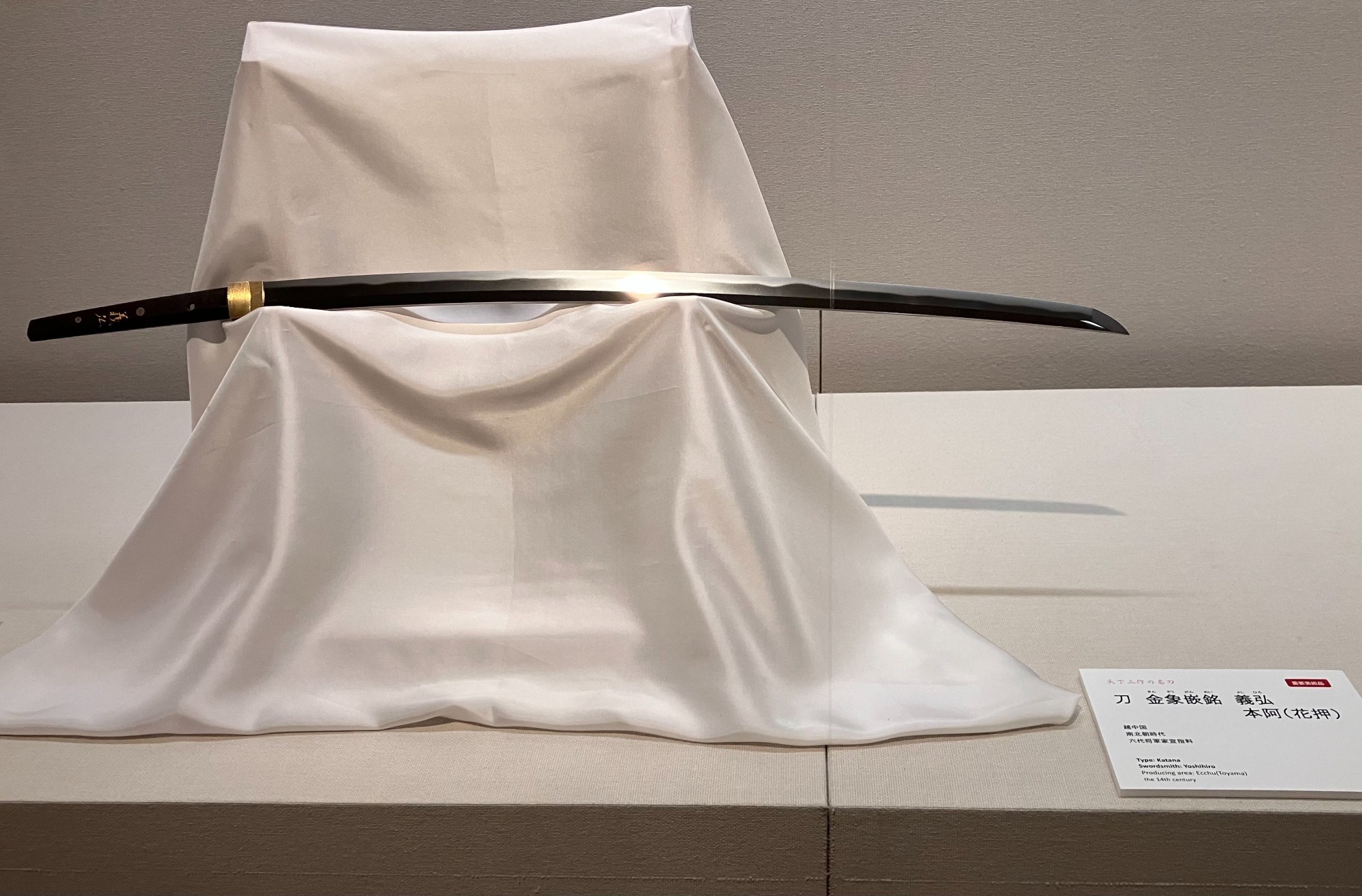
Japan was once the land of the Samurai. During the warring states period, swords and armor were essential tools of combat. However, as the peaceful Edo period arrived, wars almost vanished, and swords were rarely drawn for battle.
Despite this, many exquisite swords continued to be crafted. No longer just weapons, they became symbols of the samurai spirit and masterpieces of art. This era saw the rise of legendary swordsmiths who passed down their masterful techniques through generations.
The Hokuriku region, in particular, was home to many renowned smiths from the Kamakura to the Edo periods. In fact, Toyama City even hosts a dedicated sword museum. Learning about the beautiful blades born from the Sengoku era and the Kaga Domain adds a profound cultural layer to any journey through Hokuriku.
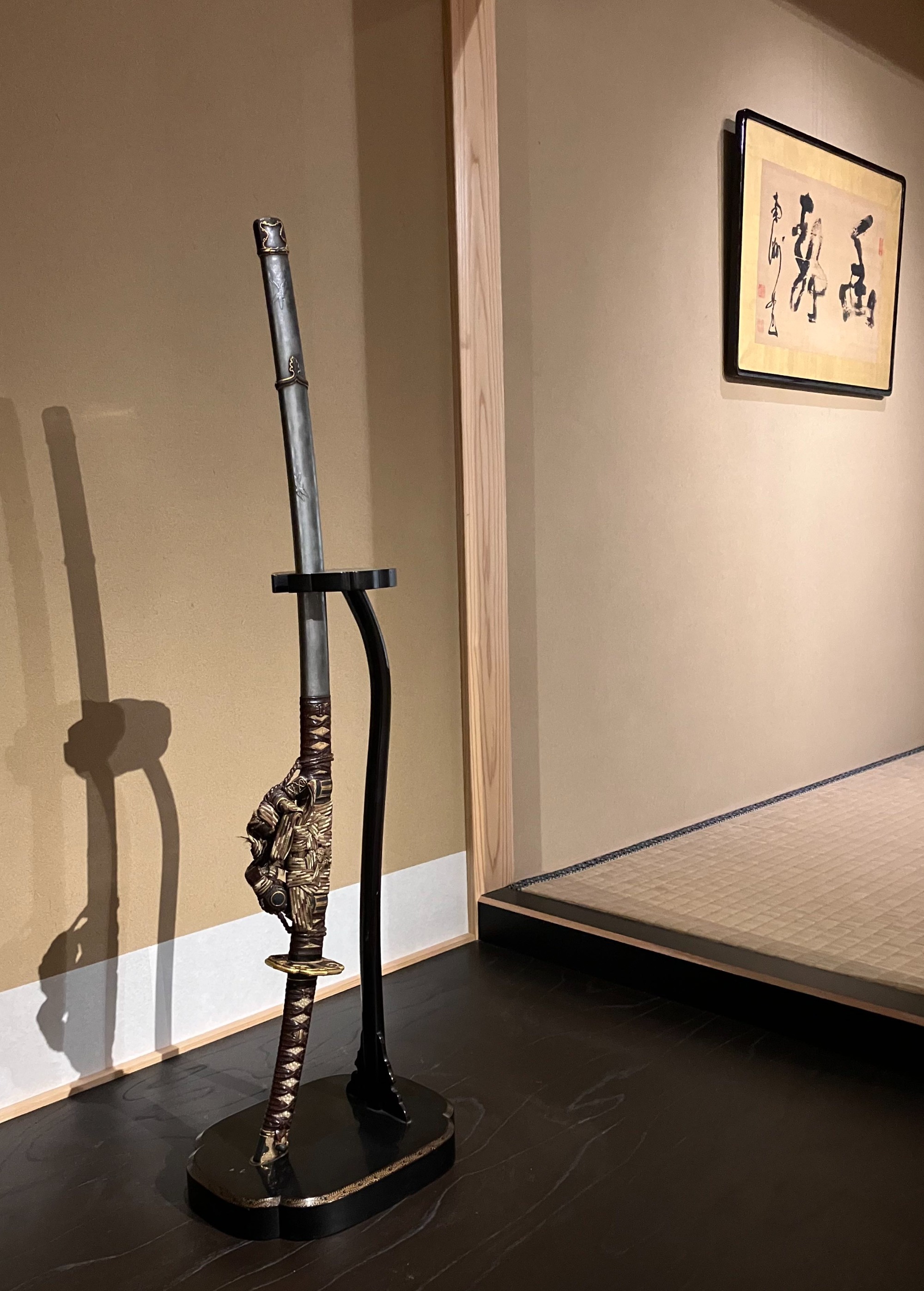
Shusui Museum of Art (Sword Museum) in Toyama
1-3-6 Sengoku-machi, Toyama City,
Toyama Prefecture 930-0066
TEL (076) 425-5700
10:00 to 17:00; closed Mondays and Tuesdays
Worth the Journey Alone: Toyama Bay Sushi
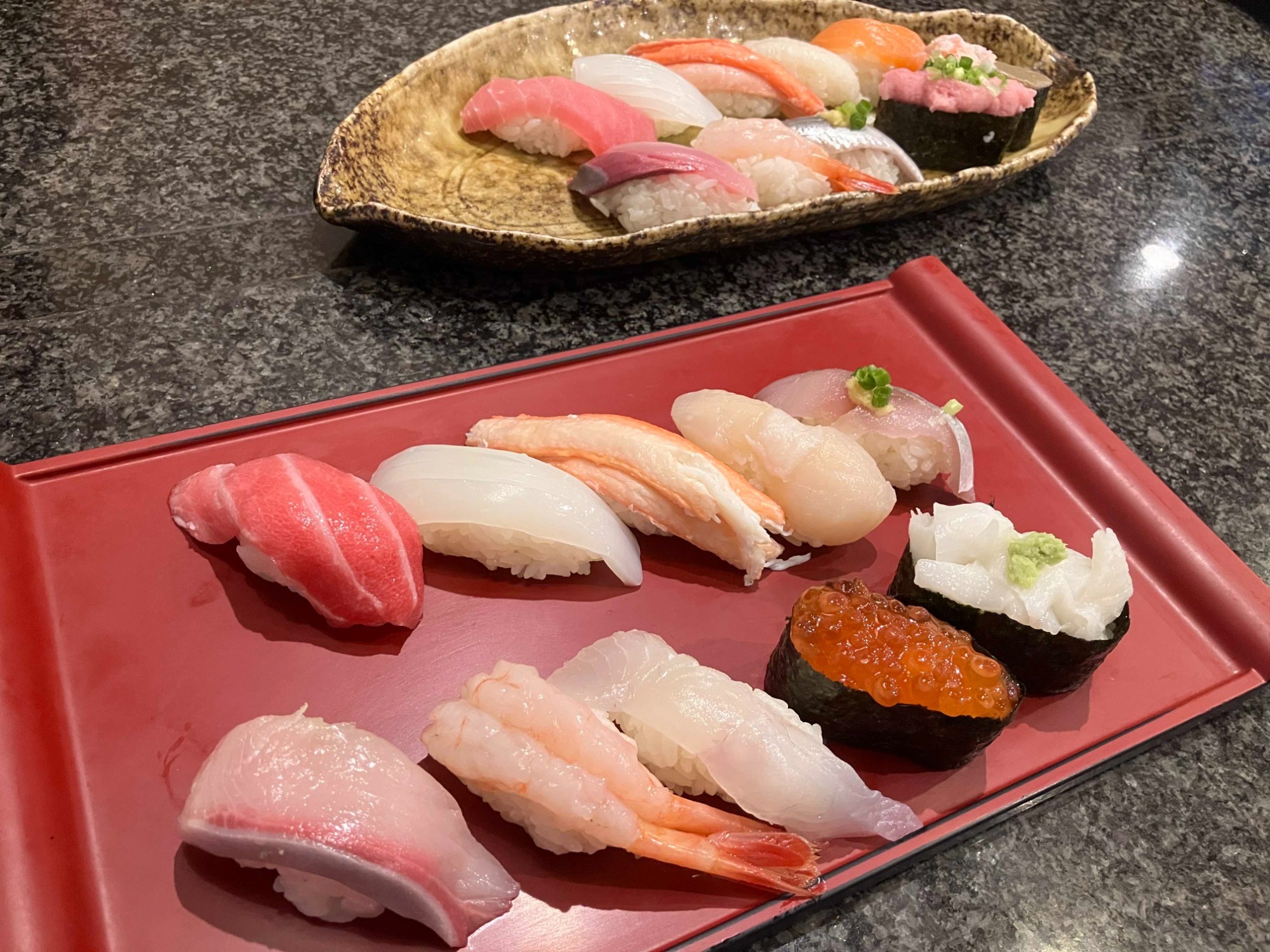
Toyama is world-renowned for its sushi, and its secret lies in its unique environment.
The bay’s 1,000-meter depth creates a "natural fish tank" where the fishing grounds are incredibly close to the shore, ensuring unmatched freshness. Nutrients from the Tateyama mountain snowmelt nourish the sea, while the cold waters produce fish with firm meat and premium fat.
Supported by traditional "fixed-net fishing" that keeps the fish in peak condition, the "Toyama Bay Sushi" brand has become a powerful economic driver. Today, food lovers from around the globe visit Toyama just for a taste of this extraordinary sushi.
Architecture Designed by Nature: The Functional Beauty
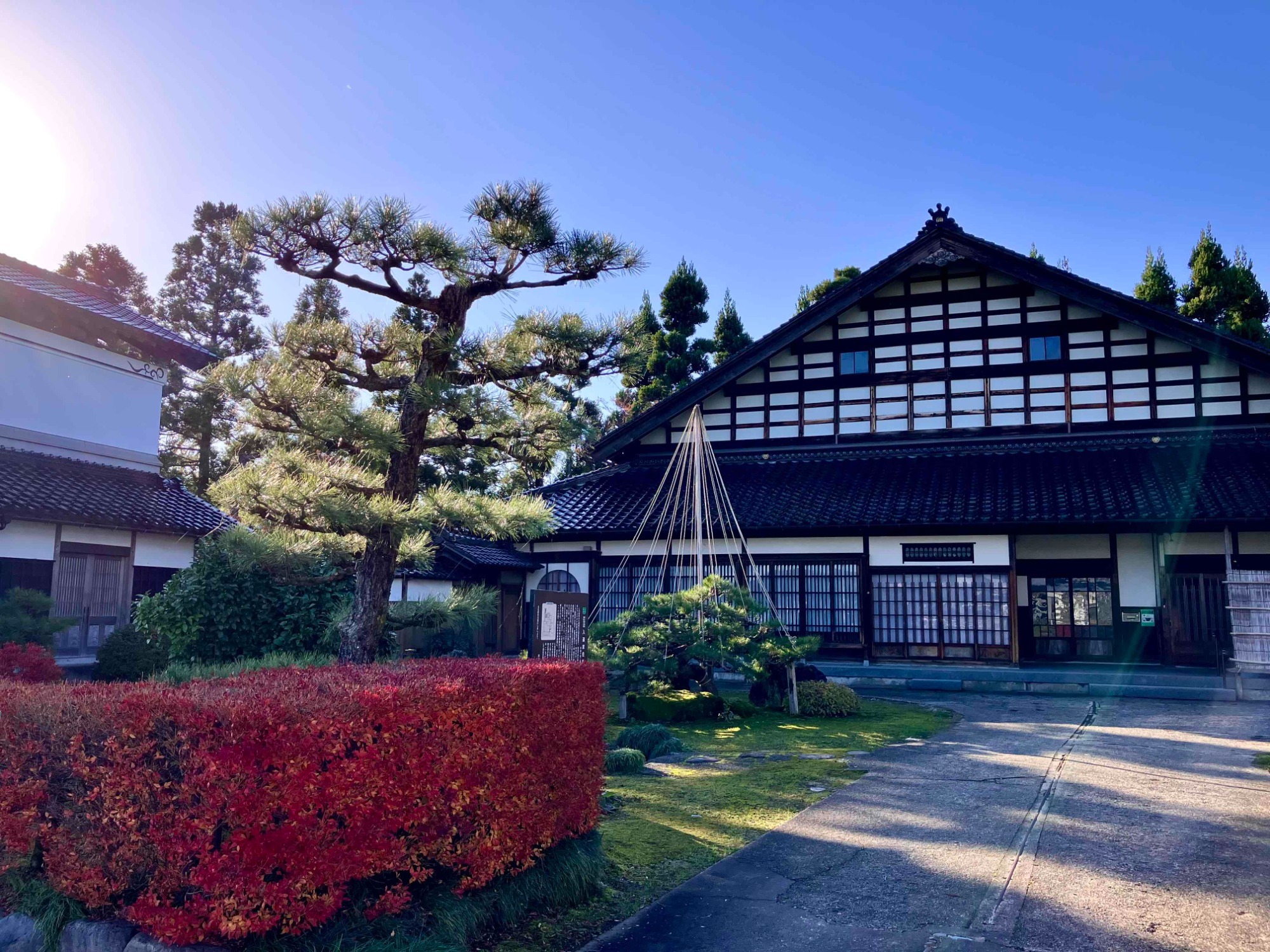
In Hokuriku, architecture is a direct response to the environment. Here, every design choice is a function of survival and harmony with nature.
In Tonami, traditional farmhouses are shielded by "Kainyo"—homestead groves that act as natural barriers against harsh winter winds. The houses themselves feature grand Irimoya tiled roofs and a massive interior beam system called "Wakunouchi," built to withstand the immense weight of heavy snowfall.
From these resilient estates to the iconic Gassho-zukuri of Gokayama, the architecture of this region is a fascinating masterclass in structural wisdom.

Reservation & Inquiry
WAYS YOU CAN PAY |